
How to Spot Quality Home Furniture Before You Buy
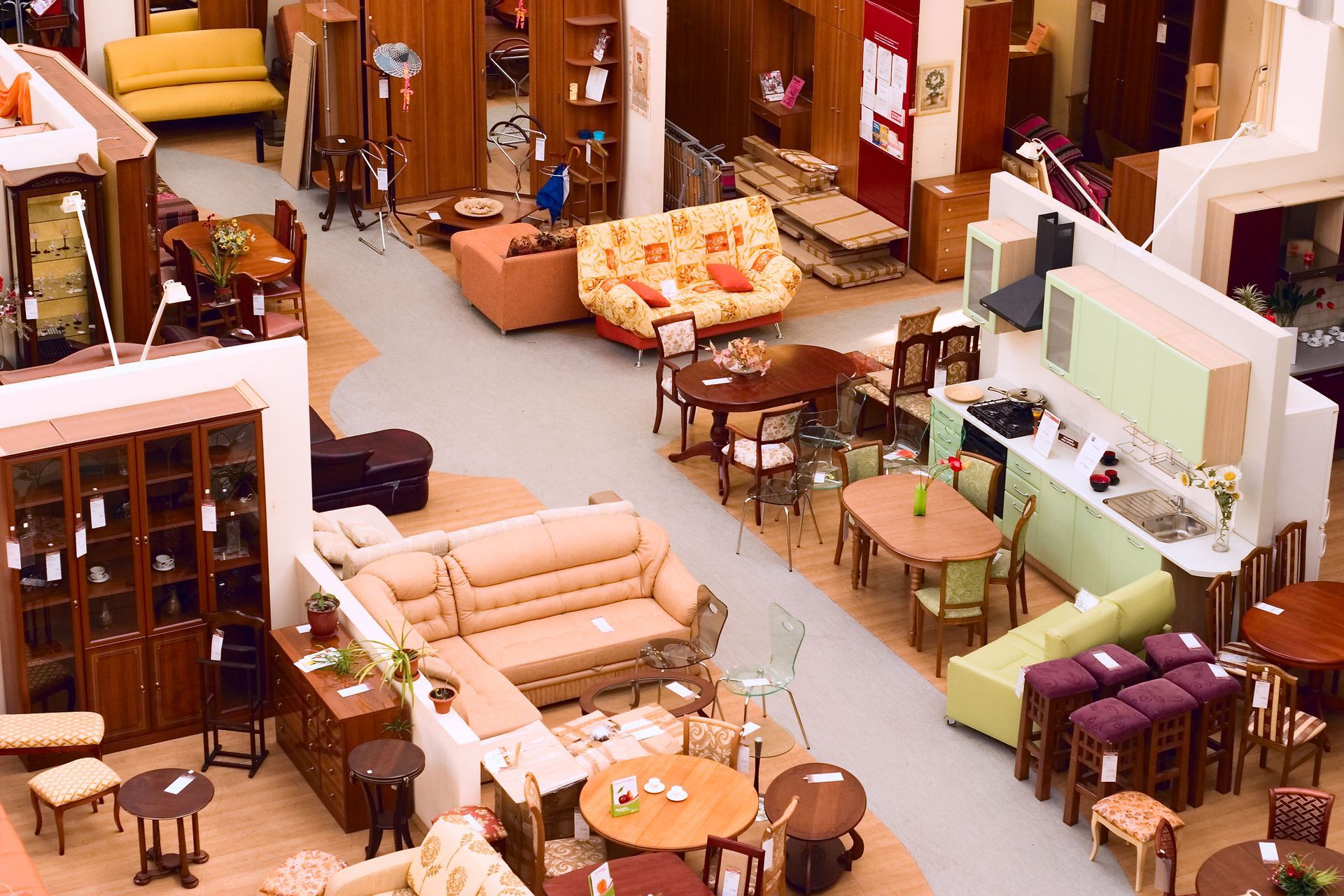
In the realm of home décor, selecting well-made furniture plays a critical role in shaping both comfort and long-term value. Furniture impacts how a home looks, how it functions, and how well it adapts to everyday life over time. Choosing pieces with care helps homeowners create spaces that feel intentional rather than temporary. Visiting a reliable home furniture store allows buyers to explore construction details, materials, and finishes in person, making the selection process more informed and confident.
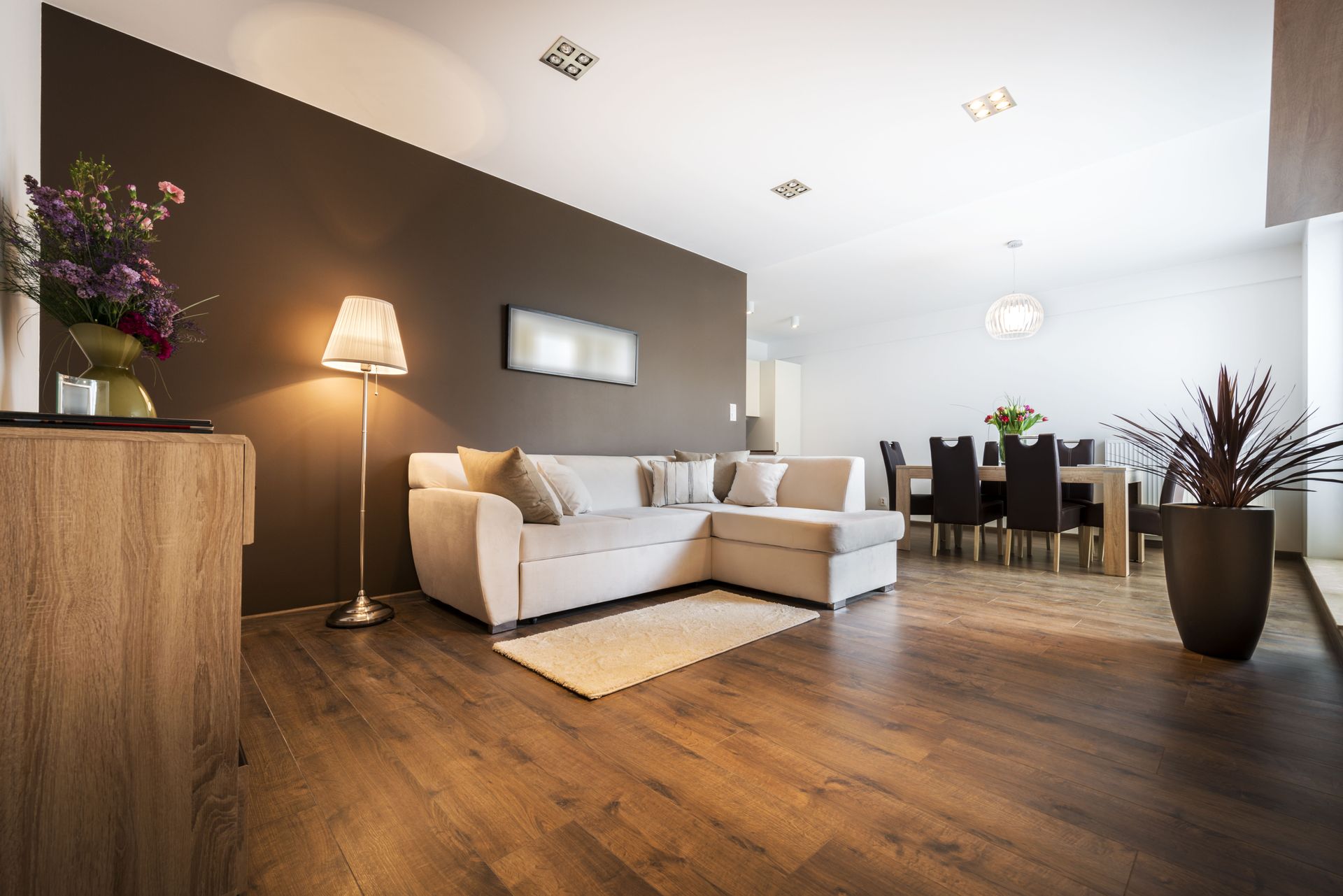
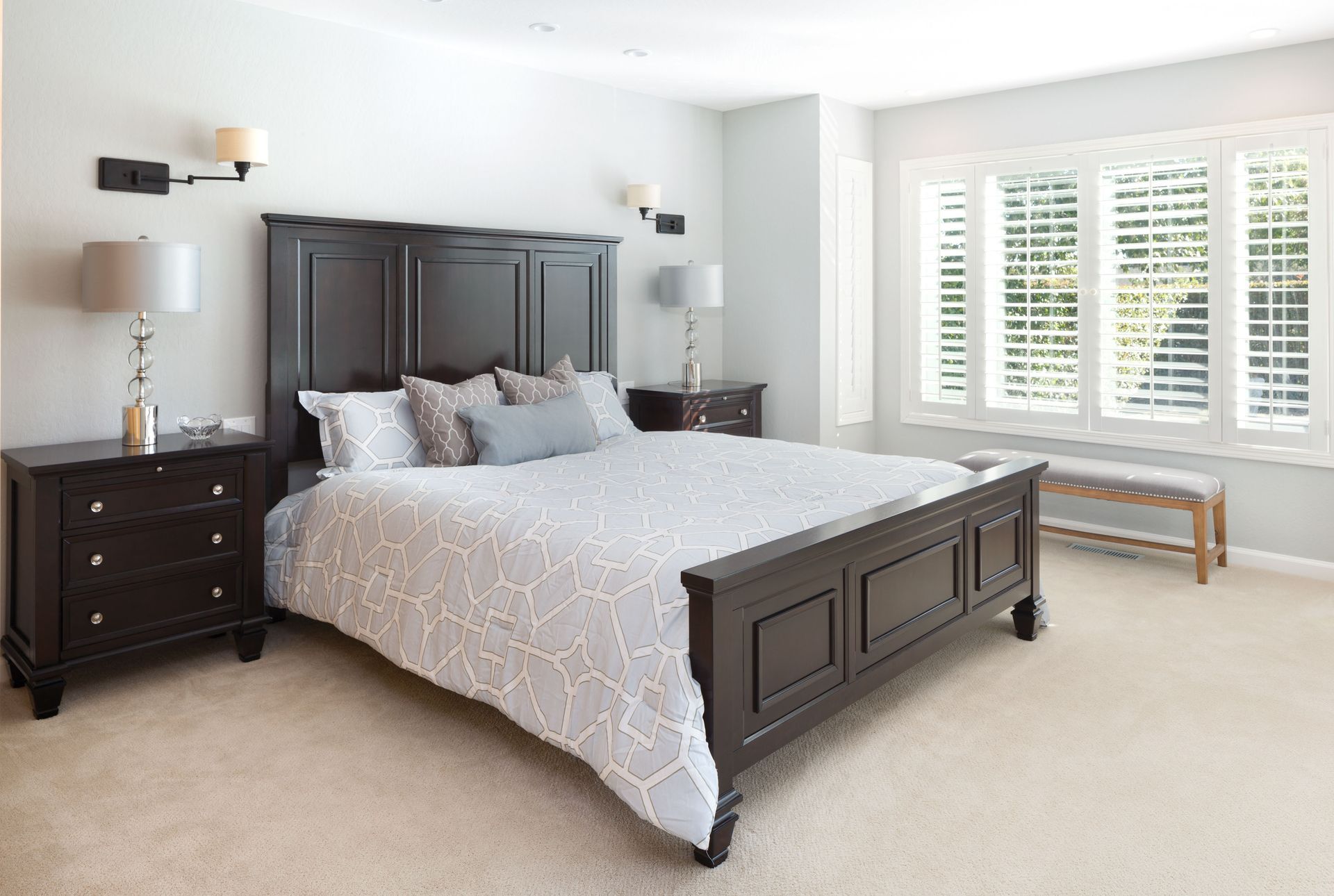
When evaluating furniture, material quality should be considered alongside design appeal. Solid construction, thoughtful proportions, and durable finishes all contribute to how a piece performs year after year. Furniture that is built with longevity in mind reduces the need for frequent replacement, which supports both household budgeting and consistent interior style. Shopping at a home furniture store with a wide range of living room, bedroom and dining, options helps align practical needs with visual preferences.
Understanding what defines quality furniture empowers buyers to move beyond surface appearance. Knowledge of materials, craftsmanship, and design compatibility allows furniture to become an investment rather than a short-term solution. This level of awareness helps buyers select pieces that support daily use while maintaining visual appeal over time.
Evaluate Materials and Construction
Material selection directly influences furniture durability, comfort, and overall performance. Solid wood remains a popular choice for frames, tables, and storage pieces due to its strength and natural appearance. Engineered wood alternatives may provide flexibility in design and cost while still supporting everyday use when properly constructed. A dependable home furniture store offers transparency about materials so buyers can make decisions that align with both lifestyle and budget.
Metal components are commonly used to reinforce frames, legs, and structural elements. High-quality metal contributes stability without compromising design, especially in dining sets, bed frames, and accent furniture. Upholstery materials also deserve attention, as fabric density, stitching quality, and cushion construction affect comfort and appearance over time. Exploring furniture in person allows shoppers to assess these features with confidence.
Construction techniques reveal a great deal about long-term reliability. Well-fitted joints, reinforced corners, and even weight distribution indicate careful assembly. According to IndustrySelect, 5,649 furniture and fixtures manufacturers are currently operating in the U.S., which highlights the importance of selecting furniture from retailers that curate quality rather than quantity. A reliable home furniture store helps narrow options by offering furniture designed to meet consistent standards.
Assess Weight, Balance, and Stability
The weight of a furniture piece often reflects the materials and methods used during construction. Heavier items typically indicate solid frames and durable components, while extremely lightweight pieces may rely on thinner materials. Balance is equally important, as furniture should sit evenly without rocking or shifting during normal use. Testing stability in-store provides immediate insight into build quality.
Well-balanced furniture supports both safety and comfort, especially in seating and tables used daily. Chairs should remain steady when weight shifts, and tables should feel grounded without uneven legs. These factors contribute to how furniture performs in busy households and shared living spaces. A home furniture store that encourages hands-on evaluation supports smarter purchasing decisions.
Stability also affects how furniture integrates into a room. Pieces that sit level and align properly with flooring contribute to a polished appearance. Thoughtful design and construction ensure furniture remains functional while maintaining visual balance throughout the space.
Review Finishes and Surface Details
Finishes protect furniture surfaces while enhancing appearance. Quality finishes resist scratches, moisture, and fading, helping furniture maintain its look with regular use. Smooth application without drips or uneven texture signals attention to detail during production. Buyers benefit from examining finishes closely under proper lighting.
Different finishes support different lifestyles. Choosing the right finish ensures furniture fits seamlessly into daily routines without excessive maintenance. A well-curated home furniture store provides options that balance appearance with practicality.
Surface details also contribute to how furniture ages over time. High-quality finishes wear evenly and retain color consistency, which supports long-term satisfaction. These details may seem subtle, but they significantly influence overall value and enjoyment.
Design With Style and Proportion
Furniture design should complement the scale and layout of a room. Proper proportions prevent overcrowding while supporting comfortable movement throughout the space. Large rooms benefit from substantial pieces, while smaller rooms require furniture that maximizes function without overwhelming the layout. Visual harmony enhances both comfort and usability.
Style consistency helps furniture blend naturally with existing décor. Whether a space leans modern, traditional, or transitional, cohesive design choices create visual flow. Mixing styles thoughtfully allows personality to emerge without appearing disjointed. A home furniture store with varied collections supports this balance.
Furniture that aligns with room dimensions and design goals feels intentional rather than forced. Proportionate furniture enhances openness while maintaining functionality, which contributes to a welcoming home environment. This thoughtful alignment also supports better flow and comfort throughout shared living spaces.
Match Furniture With Existing Décor
Introducing new furniture into an established space requires attention to color, texture, and material compatibility. Coordinating tones helps unify the room while allowing statement pieces to stand out appropriately. Neutral foundations often provide flexibility for evolving décor preferences.
Material continuity also supports visual cohesion. Wood finishes, metal accents, and fabric textures should complement rather than compete. Thoughtful coordination ensures furniture feels integrated rather than added as an afterthought. Visiting a home furniture store allows buyers to compare pieces side by side for better alignment.
Functional alignment matters just as much as appearance. Furniture should support how the space is used daily, from seating arrangements to storage needs. When form and function align, rooms feel both comfortable and complete.
Prioritize Comfort and Everyday Use
Comfort plays a central role in furniture satisfaction, especially for seating and sleep-related items. Cushions, support, and ergonomic design influence how furniture feels during extended use. Testing furniture before purchase helps ensure comfort expectations are met.
Ergonomic considerations support posture and ease of use. Chairs, sofas, and beds should provide appropriate support without excessive firmness. Furniture designed for everyday living enhances relaxation and productivity across different spaces.
A home furniture store that emphasizes comfort alongside design helps buyers select pieces that perform well beyond initial impressions. Long-term comfort contributes significantly to overall value. This focus ensures furniture remains enjoyable and supportive through everyday use.
Consider Brand Reputation and Store Selection
Retailer selection influences the quality and consistency of available furniture. Stores that focus on curated collections rather than mass quantity often provide better insight into construction and design standards. Clear product information supports confident decision-making.
Customer feedback and product transparency offer additional guidance when evaluating furniture options. Established retailers prioritize clear communication and reliable product offerings. Choosing a dependable home furniture store simplifies the buying process by aligning quality, style, and service under one roof. This approach reduces uncertainty and supports informed purchases.
Quality furniture supports long-term comfort, visual appeal, and functional living. Evaluating materials, construction, design, and comfort ensures furniture meets both immediate and future needs. Thoughtful selection minimizes replacement cycles and enhances everyday enjoyment.
Furniture decisions shape how homes feel and function over time. Taking the time to assess quality details leads to spaces that remain welcoming and adaptable. A reliable home furniture store provides the guidance and selection necessary for confident choices. Explore durable, comfortable, and stylish furniture options today and take the next step toward a well-furnished home by visiting Furniture 2 Go.

Share On: